

Key Takeaways
- PGM = Prüfgemeinschaft Mauerbohrer e.V., a German testing association founded in 1978. It certifies masonry drill bits, not factories in general.
- The test measures what anchors depend on: drilled hole diameter tolerance, carbide tip height and symmetry, concentricity, and drilling life on test rigs — with continuous sampling after certification.
- German DIBt anchor approvals and many ETA-assessed anchors assume holes drilled with PGM-marked bits; a 0.3 mm oversize hole can cost an expansion anchor a large share of its rated load.
- Certification is per series, not per brand. Dehui's certificate covers DH01 SDS Plus, DH02 SDS Max and DH04 cylindrical-shank impact bits — and nothing else in our catalogue.
- To verify a claim: ask for the certificate document, check the series and diameter range on it, and look for the PGM mark on the bit itself.
Short answer: PGM is the mark of the Prüfgemeinschaft Mauerbohrer e.V., a German testing association founded in 1978. A PGM-certified drill bit has been independently tested to drill holes within a defined diameter tolerance, with a symmetrical and concentric carbide tip, and to keep doing so over a specified drilling life — and the factory stays under continuous sampling. Anchor approvals in Germany (DIBt) and many European anchor assessments assume the hole was drilled with a PGM bit. For a buyer it is the only widely recognised third-party answer to the question “will this bit drill the hole the anchor manufacturer designed for?”
We have been a PGM member since 2009 and have the certificates on the wall. This guide is the explanation we give purchasing managers who have seen “PGM” on a competitor’s quotation and want to know whether it is worth the price difference — including the parts a supplier would rather not explain.
What PGM is — and what it is not
It is a product certification for carbide-tipped masonry drill bits: hammer drill bits with SDS Plus and SDS Max shanks, and rotary / impact drill bits with cylindrical shanks. The association was set up in 1978 by German drill bit manufacturers together with testing institutes, after anchor manufacturers found that field failures were often caused not by the anchor but by the hole.
It is not an ISO-style management system certificate. ISO 9001 says the factory has a documented quality system; PGM says a specific drill bit series, tested on a rig, drills a hole of the right size and keeps doing so. A factory can hold ISO 9001 and make bits that drill 0.4 mm oversize. It cannot hold PGM for a series that does.
It is not a brand endorsement. Certification is granted per series and diameter range. The same factory — ours included — makes certified and non-certified products side by side.
What the test measures
The published programme of the Prüfgemeinschaft covers the properties that decide whether an anchor seats correctly. In plain terms:
| Test item | What is measured | Why an installer should care |
|---|---|---|
| Drilled hole diameter | The actual diameter of holes drilled in reference concrete must stay inside a tolerance band above the nominal bit size | Anchor approvals assume this band; outside it the rated load no longer applies |
| Carbide tip dimensions | Width, height and position of the carbide cutting plate | An over-wide or worn tip drills oversize; an under-height tip loses the hole size as it wears |
| Symmetry and concentricity | The tip must be centred on the shank axis and its cutting edges symmetrical | An off-centre tip “orbits” and drills an oval, oversize hole |
| Drilling performance and life | Drilling rate and the number of holes before the diameter falls out of tolerance, on test rigs with defined concrete and feed force | A bit that is in tolerance when new but out after 30 holes is not a PGM bit |
| Continuous monitoring | Samples drawn from production after certification and re-tested | The mark can be withdrawn, which is what makes it credible |
The exact numeric tolerances are defined in the PGM test specification and depend on diameter; we provide the figures to buyers together with our test reports, but they are PGM’s document to publish, not ours.
Why 0.3 mm matters: the anchor connection
The reason PGM exists is the fastening industry. Consider a common case: an M12 torque-controlled expansion anchor in a 14 mm hole.
- The anchor’s approval (an ETA under EAD 330232 for metal anchors in concrete, or a DIBt national approval in Germany) specifies the hole diameter and the drill bit tolerance it was tested with.
- The expansion sleeve is sized to that hole. In a hole drilled 0.3–0.5 mm oversize by a worn or badly ground bit, the sleeve expands further before it bites, the cone pulls through at a lower load, and tested pull-out values can drop by a double-digit percentage. The installer sees nothing wrong; the torque wrench clicks.
- For a chemical anchor the problem is the reverse: an oversize hole needs more resin than the cartridge dose calculated for it, and under-filled holes are the leading cause of chemical anchor failure in site audits.
This is why the DIBt requires PGM-tested bits for drilling holes for approved anchors in Germany, why anchor manufacturers’ installation instructions reference PGM bits, and why facade, M&E and seismic-restraint specifications in Singapore, Malaysia and the Gulf have started to copy that language. The anchor is only as good as the hole.
What PGM tells you about the factory behind the bit
Holding the mark over years requires more than one good sample. In practice a certified series needs:
- Consistent carbide tip brazing. A tip that shifts 0.1 mm during hand-torch brazing is out of concentricity. This is why we moved tip brazing to German MAHLER automatic lines with furnace brazing at 1200 °C — not because the certificate demanded a particular machine, but because hand brazing could not hold the tolerance batch after batch.
- Controlled tip grinding. Cutting edge angles and tip width are ground to specification and measured, not eyeballed.
- Heat treatment that does not distort the body. A bent body drills an oversize hole regardless of tip quality.
- Incoming carbide control. Tip wear life depends on carbide grade; a cheaper grade passes the diameter test on day one and fails the life test.
So when a buyer asks what PGM “proves” about a supplier, the honest answer is: it proves the factory can hold a tight geometric tolerance on a brazed assembly in volume production and has let an outside body check that, repeatedly. That is a reasonable proxy for how the non-certified products from the same lines will behave — but only a proxy, which brings us to scope.
Scope: what is and is not covered at Dehui
Our PGM certificate documents cover two product types:
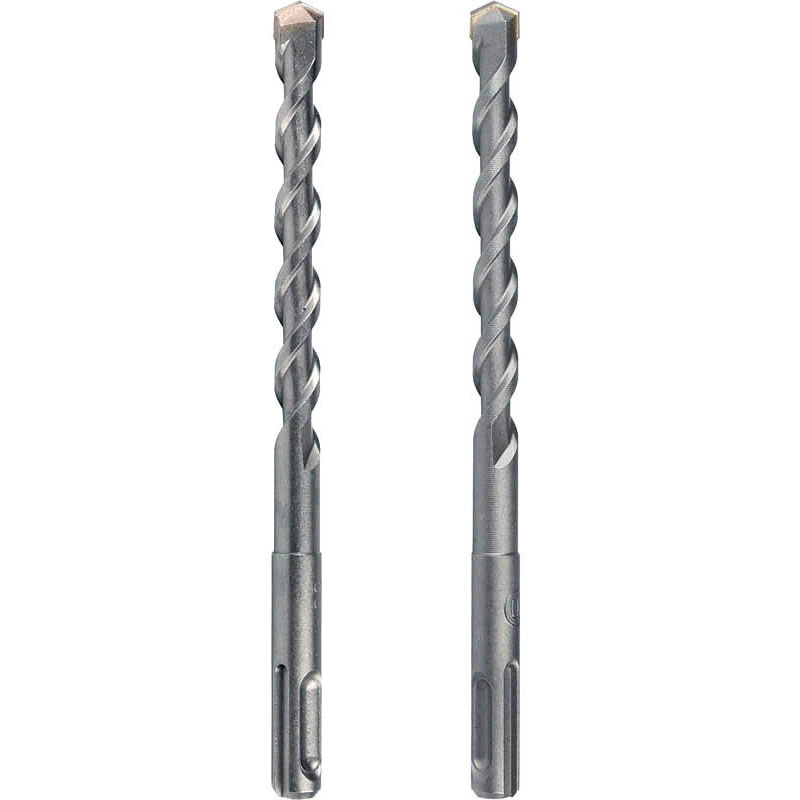
- SDS hammer drill bits — our DH01 SDS Plus series (4–32 mm × 110–1000 mm) and DH02 SDS Max series (8–40 mm × 220–1000 mm).
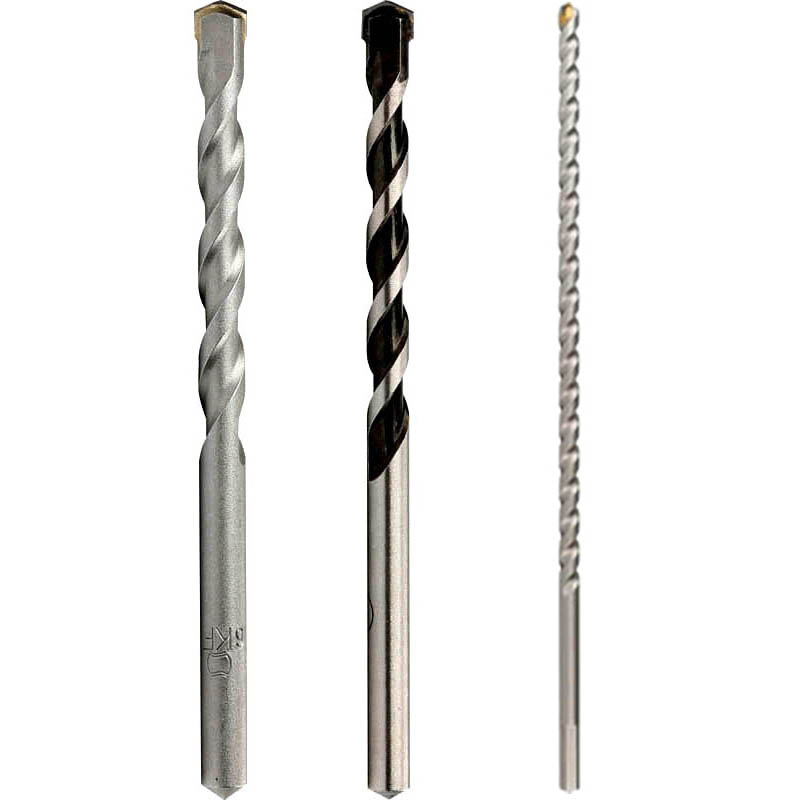
- Rotary and impact drill bits with cylindrical shank — our DH04 impact masonry series (3–28 mm, straight shank, for percussion drills).
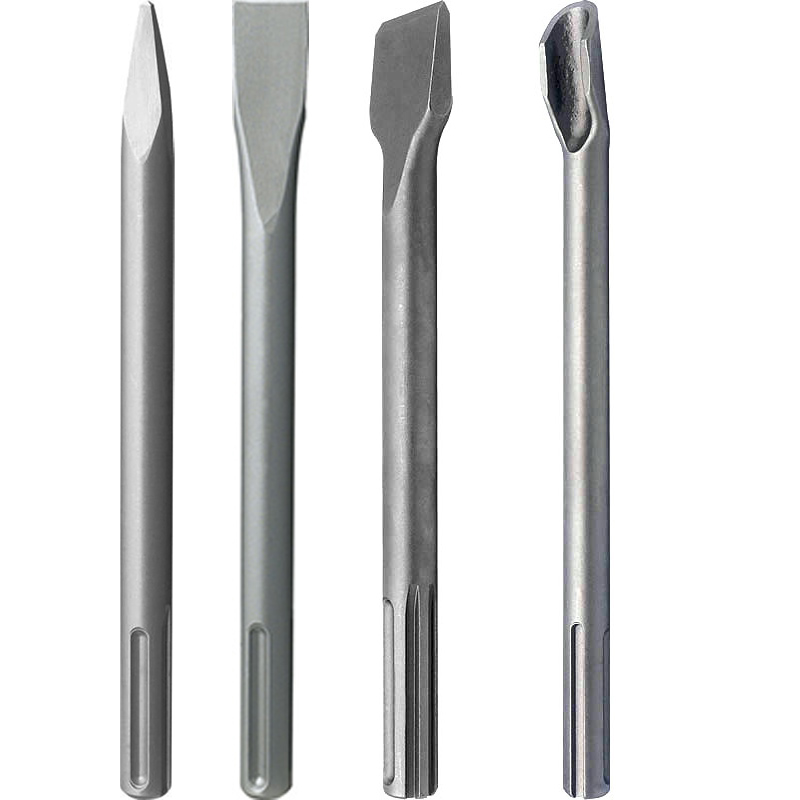
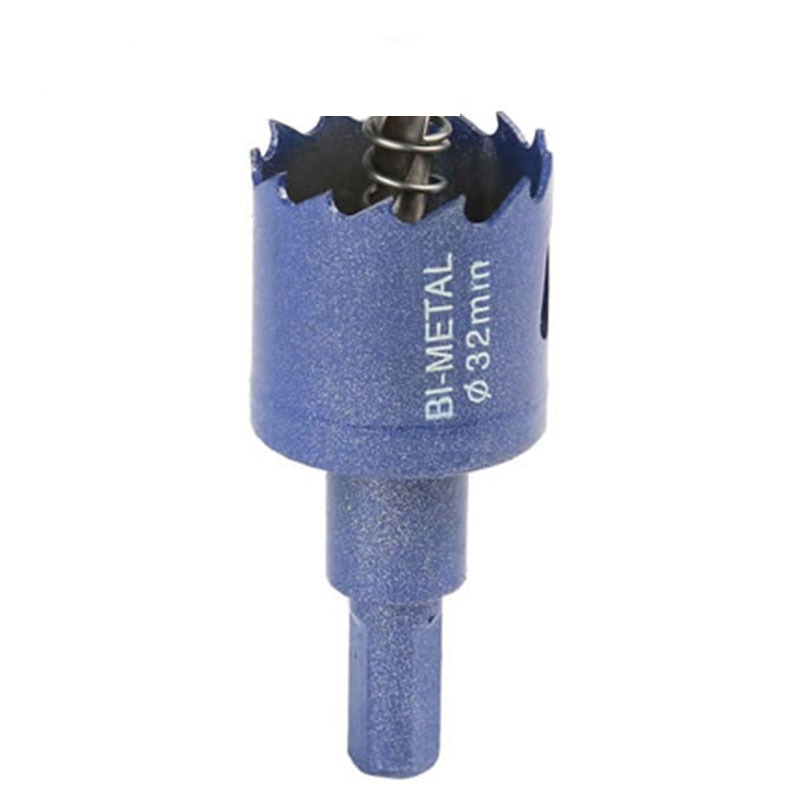
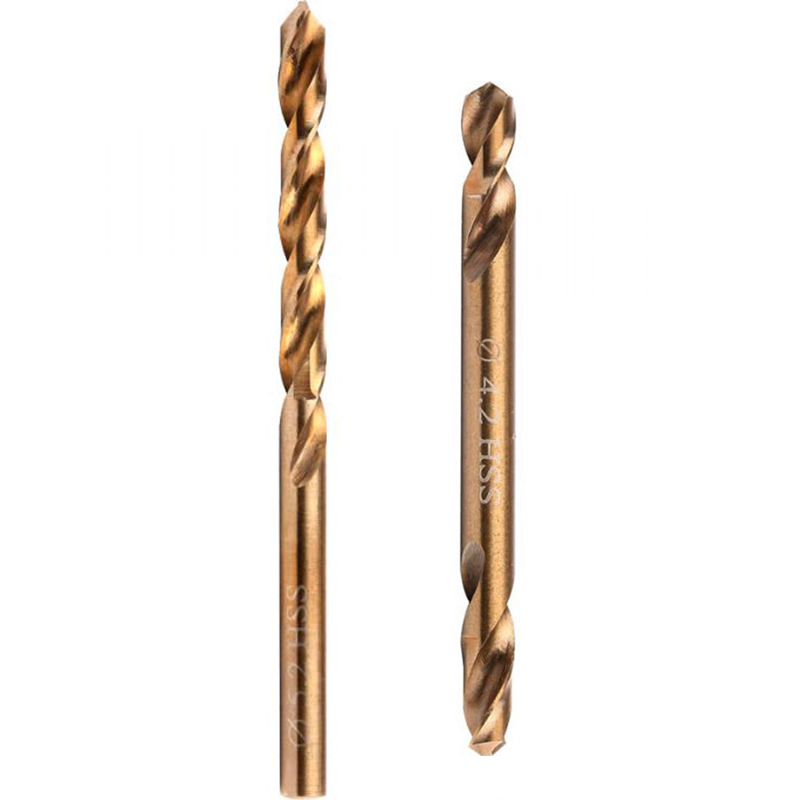
Everything else we make — SDS Plus, SDS Max, hex and PH65 chisels, hex shank and square shank hammer drill bits, hole saws, HSS twist drills, drill bit sets and accessories — is produced on the same lines with the same materials but is not within the PGM certificate. We label that on every product page and we will not put the PGM mark on a private-label order for an uncertified series, however convenient it would be. A supplier who is vague on this point is telling you something.
The full scope and the certificate images are on our PGM certification page.
How to verify a PGM claim before you order
A five-minute check that filters most of the noise:
- Ask for the certificate document, not a logo on a brochure. It names the company, the product type (e.g. “SDS-Hammerbohrer / SDS hammer drill bits”), and the diameter range certified.
- Match the company name to the factory you are buying from. Trading companies sometimes show a manufacturer’s certificate without disclosing which manufacturer — ask.
- Match the series. If you are quoted an SDS Plus bit and the certificate covers cylindrical-shank impact bits only, the quoted product is not certified.
- Check the diameter range. Certificates list the nominal sizes tested; a 5.5 mm or 6.5 mm size may legitimately be outside the range even when 6 mm is inside.
- Look at the bit. Certified series carry the PGM logo marked near the shank, usually with the diameter. No mark, no certification — regardless of the paperwork.
- Ask for the test report if the order is structural. Serious suppliers will share it under NDA.
PGM and other marks buyers see on drill bits
| Mark | What it covers | What it does not tell you |
|---|---|---|
| PGM | Drilled hole tolerance, tip geometry, drilling life of a specific drill bit series | Nothing about the factory’s other products |
| ISO 9001 | The factory’s quality management system | Whether any specific product meets a dimensional standard |
| CE | Not applicable to drill bits — a CE mark on a drill bit is a marketing error at best | — |
| “DIN 8039 / DIN 8037” | German dimensional standards for masonry drill bits (shank and length series) | Hole tolerance in use; a bit can be DIN-dimensioned and still drill oversize |
| Brand name (Bosch, Hilti, Heller) | Manufacturer’s own quality control; the major European brands are PGM members | Whether a given imported “equivalent” was made to the same tolerance |
What this means for your purchase
- If you supply contractors doing structural, facade or M&E anchoring, PGM-certified SDS Plus and SDS Max bits are what the anchor data sheet assumes. Quote them as such and keep the certificate on file; it is increasingly asked for in Gulf and Singapore tenders.
- If you supply general hardware retail, PGM is a differentiator on the shelf for the 6–12 mm anchor sizes where most failures happen — and the cost difference at the factory gate is small, because the expensive part (automatic brazing, controlled grinding) is already running for the certified series.
- For private label, the mark can be applied to your brand on certified series, within PGM’s marking rules. For uncertified series it cannot, and we will not.
Our certified series are the DH01 SDS Plus, DH02 SDS Max and DH04 impact masonry drill bits, with full size tables and codes on each page. If you would like the certificate documents and test report for a tender, ask your sales contact or send the request through the form below — we reply within 24 hours.
FAQ
Frequently asked questions
What does PGM stand for?+
Prüfgemeinschaft Mauerbohrer e.V. — literally the 'testing association for masonry drill bits', a registered association (e.V.) in Germany founded in 1978 by drill bit manufacturers and testing institutes to set and police a common quality standard for carbide-tipped masonry and hammer drill bits.
What does the PGM test actually check?+
Four things a buyer cannot see: the diameter of the hole the bit drills (within a tight tolerance band above nominal), the dimensions and symmetry of the carbide cutting tip, the concentricity of tip and shank, and drilling performance and wear over a defined number of holes in test concrete. Certified series are re-sampled from production, so the mark can be withdrawn.
Why does hole tolerance matter so much?+
Expansion anchors, undercut anchors and chemical anchors are approved on the assumption that the hole has a specific diameter. An oversize hole lets an expansion sleeve slip and under-fills a chemical anchor; an undersize hole stops the anchor seating. Either way the installed load is below the rated load on the data sheet, which is a safety problem in facade, M&E and seismic fixings.
Is PGM certification required by law?+
Not as a general law. In Germany the DIBt (Deutsches Institut für Bautechnik) anchor approvals require that holes for approved anchors be drilled with PGM-tested bits, and many European Technical Assessments for anchors carry the same condition. Outside Europe, specifiers in Singapore, Malaysia and the Gulf increasingly write PGM into tender documents for structural fixings for the same reason.
Are all products from a PGM member certified?+
No — this is the most common misunderstanding. PGM certifies specific product series and diameter ranges, listed on the certificate. A member factory can, and usually does, make non-certified products on the same lines. At Dehui the certificate covers three series (DH01 SDS Plus, DH02 SDS Max, DH04 impact); our chisels, hole saws, hex shank bits and sets are not within it, and we say so on every product page.
How can I verify a supplier's PGM claim?+
Ask for the certificate document and check that (1) the company name matches, (2) the series or product type and diameter range cover what you are buying, and (3) it is current. Then check the bit: certified series are marked with the PGM logo near the shank, usually with the diameter. If a supplier shows a certificate but will not say which series it covers, assume the ones you are being quoted are not.
Does PGM test SDS Max bits as well as SDS Plus?+
Yes. PGM covers hammer drill bits with SDS Plus and SDS Max shanks and cylindrical-shank impact drill bits. Dehui holds certification for SDS hammer drill bits (our DH01 and DH02 series) and for rotary and impact drill bits with cylindrical shank (DH04).